Acts 7:44-53 CSB
"Our ancestors had the tabernacle of the testimony in the wilderness, just as he who spoke to Moses commanded him to make it according to the pattern he had seen. [45] Our ancestors in turn received it and with Joshua brought it in when they dispossessed the nations that God drove out before them, until the days of David. [46] He found favor in God's sight and asked that he might provide a dwelling place for the God of Jacob. [47] It was Solomon, rather, who built him a house, [48] but the Most High does not dwell in sanctuaries made with hands, as the prophet says: [49] Heaven is my throne, and the earth my footstool. What sort of house will you build for me? says the Lord, or what will be my resting place? [50] Did not my hand make all these things? [51] "You stiff-necked people with uncircumcised hearts and ears! You are always resisting the Holy Spirit. As your ancestors did, you do also. [52] Which of the prophets did your ancestors not persecute? They even killed those who foretold the coming of the Righteous One, whose betrayers and murderers you have now become. [53] You received the law under the direction of angels and yet have not kept it."
Psalm 139:7-8 CSB
Where can I go to escape your Spirit? Where can I flee from your presence? [8] If I go up to heaven, you are there; if I make my bed in Sheol, you are there.
His Presence is Everywhere
When we read the first chapter of Genesis, we find that God’s Spirit hovered over the face of the earth. God’s Spirit is still over the earth, and all things. Many try to hide their wrongs, often committing them in the dark or isolated places. But God sees all things. Our heart is always open to God. When we confess our sins, our loving Father already knows them. Jesus has already died for them. We just need to admit them and come to the Father to find forgiveness and strength. As 1 John 1:9 says, “If we confess our sins, he is faithful and righteous to forgive us our sins and to cleanse us from all unrighteousness.” We have a way past the things that we do in darkness. Stephen is now bringing the sin of the religious leaders of Israel to light. This brings a question however:
If God is everywhere, why did He command a Tabernacle and later a Temple to be built?
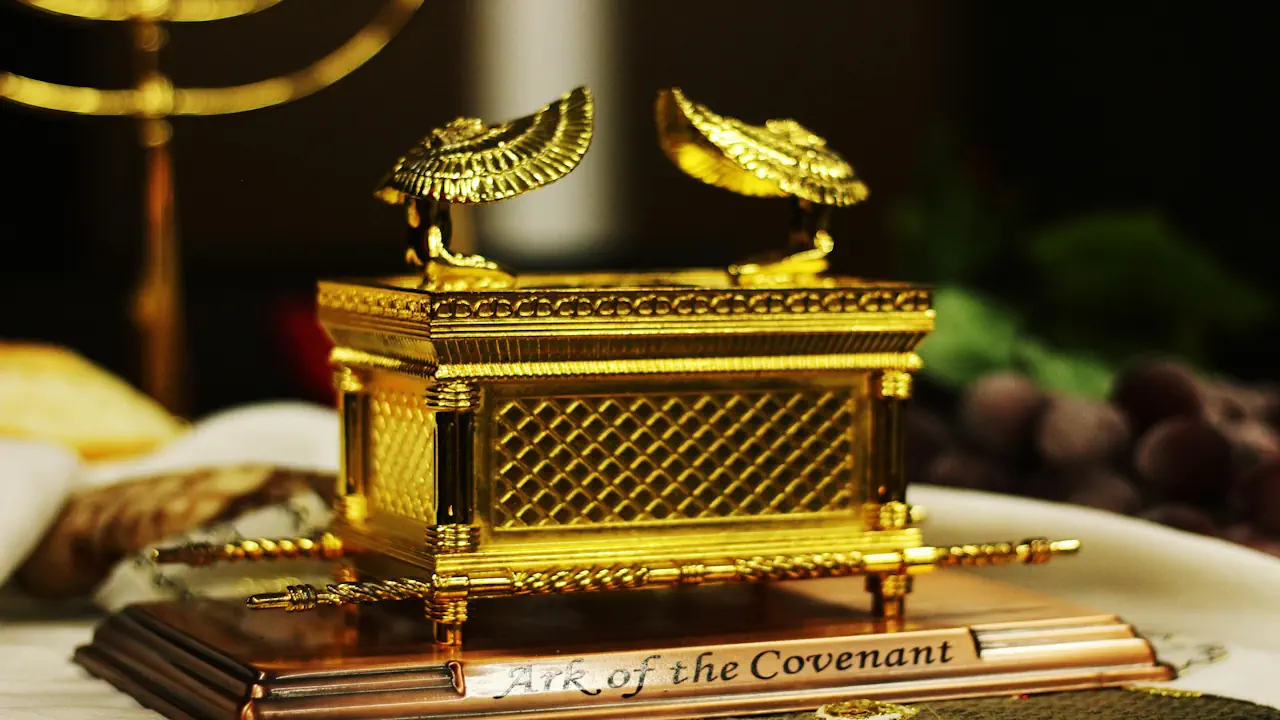
This is the point at which Stephen begins to press with the Sanhedrin as he ends his defense against his accusers. In the wilderness, the Tabernacle was a “tent of meeting”—a visible sign of God’s presence among His people as they wandered. It wasn’t that God was only in the tent, but that the tent was a designated place for a sinful people to approach a Holy God through sacrifice and priesthood.
When the nation settled in the Promised Land, King Solomon built a magnificent Temple in Jerusalem. It was a place of beauty and worship, but even at its dedication, Solomon acknowledged the truth: “But will God indeed live on earth? Even heaven, the highest heaven, cannot contain you, much less this temple I have built” (1 Kings 8:27).
It is easy to see how the religious leaders fell into a trap; they began to believe that because they held the keys to the Temple in Jerusalem, they somehow “owned” God’s favor. It was as if they thought His gaze stopped at the temple walls, unable to see the rebellion in their hearts. We often fall into that same rhythm today—treating Sunday as the day to present our best selves, only to let a different heart take over the moment the work week begins. But true worship isn’t something that can be contained within a building or a single day of the week; it is meant to stay with us in every circumstance we face.
Stephen uses the words of Isaiah to remind the Sanhedrin that God cannot be boxed in: “Heaven is my throne, and the earth is my footstool.” By obsessing over their physical building and rigid traditions, they completely missed the “Living Temple”—Jesus Christ. Stephen’s description of them as “stiff-necked” paints a vivid picture of people so locked into their own perspective that they literally couldn’t turn their heads to see what God was doing right in front of them. They carried the outward, physical signs of faith, but their hearts remained distant and unchanged. Their religion was a matter of ritual, but it lacked the breath of a true living spiritual life.
If their hearts had been in the right place, they would have recognized Jesus as the Messiah. The title “Righteous One” can be seen in Isaiah 53:11, where the Messiah is called the righteous servant who would carry the iniquities of many. Just as their ancestors rebelled and killed the prophets, the religious leaders had the blood of Jesus on their hands, but would not repent. Stephen finishes his defense by stating that the very law he is accused of breaking, they are guilty of.
Reflection Questions
- Since God sees all things, even those done in darkness, how does this truth encourage you to be more transparent in your prayer life?
- Are there areas of your life where you have been “stiff-necked,” refusing to turn your heart toward a truth God is trying to show you?
- How can you ensure that your worship isn’t confined to a “Sunday building,” but instead reflects a heart that is submitted to God all week long?
Reading
Father,
We thank You that Your Spirit is everywhere and that there is nowhere we can go to escape Your presence. Forgive us for the times we have tried to hide our hearts from You or treated our faith as something that only exists within the walls of a church. Circumsise our hearts anew, Lord. Take away our stubbornness and help us to be flexible and responsive to Your Holy Spirit. Thank You for the “Righteous One,” Jesus, who carries our iniquities and offers us a way out of the darkness and into Your light. In Jesus’ Name.
Amen.