Acts 13:1-12 CSB
Now in the church at Antioch there were prophets and teachers: Barnabas, Simeon who was called Niger, Lucius of Cyrene, Manaen, a close friend of Herod the tetrarch, and Saul. [2] As they were worshiping the Lord and fasting, the Holy Spirit said, "Set apart for me Barnabas and Saul for the work to which I have called them." [3] Then after they had fasted, prayed, and laid hands on them, they sent them off. [4] So being sent out by the Holy Spirit, they went down to Seleucia, and from there they sailed to Cyprus. [5] Arriving in Salamis, they proclaimed the word of God in the Jewish synagogues. They also had John as their assistant. [6] When they had traveled the whole island as far as Paphos, they came across a sorcerer, a Jewish false prophet named Bar-Jesus. [7] He was with the proconsul, Sergius Paulus, an intelligent man. This man summoned Barnabas and Saul and wanted to hear the word of God. [8] But Elymas the sorcerer (that is the meaning of his name) opposed them and tried to turn the proconsul away from the faith. [9] But Saul-also called Paul-filled with the Holy Spirit, stared straight at Elymas [10] and said, "You are full of all kinds of deceit and trickery, you son of the devil and enemy of all that is right. Won't you ever stop perverting the straight paths of the Lord? [11] Now, look, the Lord's hand is against you. You are going to be blind, and will not see the sun for a time." Immediately a mist and darkness fell on him, and he went around seeking someone to lead him by the hand. [12] Then, when he saw what happened, the proconsul believed, because he was astonished at the teaching of the Lord.
Acts 9:15 CSB
But the Lord said to him, "Go, for this man is my chosen instrument to take my name to Gentiles, kings, and Israelites.
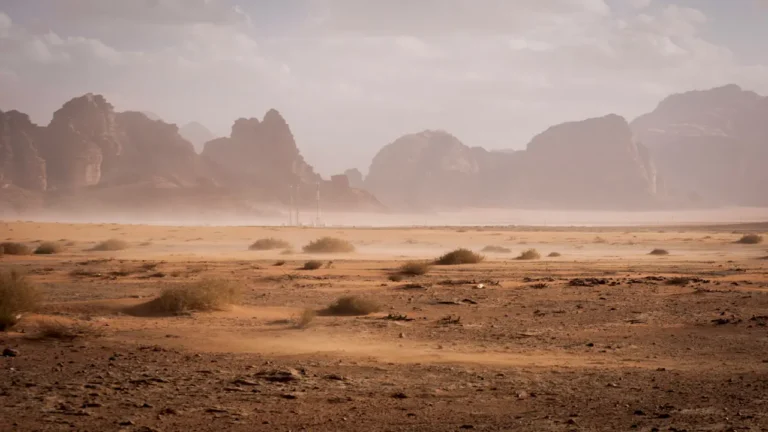
Sailed to Cyprus
The Holy Spirit works in the lives of believers so that others might be saved. But who among us truly listens to the Spirit, or even recognizes that the Spirit of God is actively moving in our lives—comforting us and guiding us in our mission to share Christ with others? In the early church at Antioch, we find a diverse group of leaders—Barnabas, Simeon, Lucius, Manaen, and Saul—deeply engaged in fasting and praying. While Jesus had already set Saul apart for this specific mission during his mighty conversion on the road to Damascus, it was in this communal environment of intense devotion that the Holy Spirit gave the definitive command to send them out.
Prayer and fasting are powerful, essential tools for this kind of spiritual clarity. They quiet the noise of the world, clearing our minds so that we can step outside of ourselves and focus entirely on the things of God. It is at the foot of the cross where our fixation on the seductive idol of self is finally destroyed, redirecting our gaze to where it truly belongs: on our Creator.
The disease of self runs rampant through our lives. It is the root cause of a child throwing a tantrum when they do not get their way, the rebellion of a teenager, and the bitter arguments between married couples over minor inconveniences. It manifests as the deep-seated hatred of the elderly, who refuse to let go of old indignities and ultimately cheat themselves out of happiness. Taking dedicated time for prayer and fasting breaks us out of this destructive loop, opening our eyes to a vital truth: life is not about us.
Life is not about forcing our own will, but submitting to the will of our Heavenly Father. His will demands that we forgive those who hurt us, show kindness to those who spitefully use us, and actively step in to help an enemy experiencing hardship. Such a response is completely unnatural to human flesh; it is entirely the work of God’s Spirit. We can only live this way when our minds are rescued from the demands of self and anchored safely in our loving Father in Heaven.
When we break free from self-interest, we become instruments of His power. This was precisely the spiritual fuel needed as the Holy Spirit launched Barnabas and Saul on their first missionary journey to the Gentile world. It is at this critical turning point that Luke notes Saul would now be known by his Roman name, Paul—a name reflecting his identity as a Roman citizen born in Tarsus, making him uniquely equipped to bridge the gap into the Gentile community. Through the faith cultivated in prayer and fasting, Paul and Barnabas walked in the supernatural power of the Holy Spirit, ready to combat the spiritual evils waiting for them on the island of Cyprus.
They did not have to wait long for adversity to strike. In the city of Paphos, they encountered a magician and false prophet named Bar-Jesus. His name ironically means “son of Jesus,” yet instead of pointing people toward the Savior, he fought fiercely against the Gospel of life. When the intelligent Roman proconsul, Sergius Paulus, summoned Barnabas and Paul to hear the Word of God, Elymas (the Greek title for this sorcerer) immediately opposed them.
Like so many who reject the truth, Elymas was entirely consumed by the disease of self. He knew that if the governor accepted the Gospel, his own influence over the ruler would vanish, his employment would end, and he would be exposed for what he truly was: a fraud full of tricks and deceitfulness. This is the nature of spiritual darkness—ever deceiving others, and ever fighting to extinguish the light of truth.
But darkness cannot stand against the Light of the World. Filled with the Holy Spirit, Paul stared directly at Elymas and pronounced God’s immediate judgment. With a few definitive words, the sorcerer was struck temporarily blind. This physical loss of sight was a vivid, external reflection of the sorcerer’s own internal blindness to the truth—a blind guide suddenly reduced to begging someone to lead him by the hand. When the light of the Holy Spirit breaks through, the bankruptcy of darkness is fully revealed. God reigns supreme over all, and no human deception can stand against Him.
Ultimately, this account reminds us that we cannot share the message of Jesus through our own human strength. If we attempt to step onto the mission field in our own power, we will fail. We desperately need God’s supernatural power operating in our lives. That power is always fully available, but our faith is often not as it should be. Through the spiritual disciplines of fasting and prayer, the Holy Spirit works within us to build our faith, mercifully shifting our focus away from ourselves and placing it squarely on the things of God.
Reflection Questions
- The author notes that prayer and fasting help break us out of the “loop of self.” In what specific areas of your life do you notice the “disease of self” clouding your spiritual vision, and how can you intentionally use prayer to recenter on God’s will?
- Bar-Jesus opposed the Gospel because he was terrified of losing his personal platform, income, and influence over the governor. Are there comforts, habits, or areas of control in your own life that you secretly fear losing if you fully submit to God’s mission?
- When the proconsul witnessed the spiritual power of God override the sorcerer’s tricks, he believed. Why is it vital for us to stop relying on our own intellect or communication skills when sharing the faith, and instead rely on the power of the Holy Spirit?
Prayer
Father,
We confess that the disease of self so easily entangles our hearts, causing us to focus on our own desires, comforts, and offenses. Forgive us for the times we try to live out our faith and fight spiritual battles in our own limited strength. We ask that You grant us the discipline to seek You through prayer and fasting, so that our minds may be cleared of worldly distractions and filled with Your Holy Spirit. Give us the boldness of Paul to stand firm against the deceptions of this world, trusting that Your light will always expose and overcome the darkness. Use us as Your chosen instruments to take Your name wherever You lead, entirely for Your glory and never our own. In Jesus’ Name.
Amen.