John 18:12-27 CSB
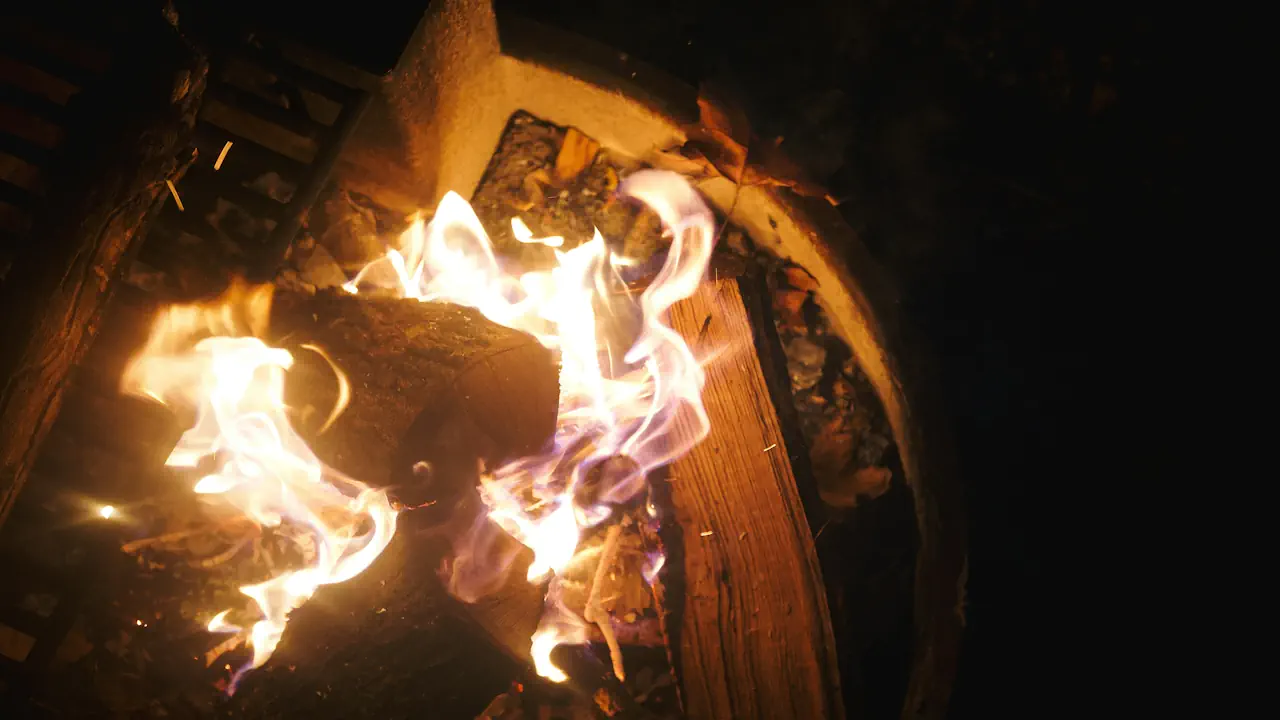
Then the company of soldiers, the commander, and the Jewish officials arrested Jesus and tied him up. [13] First they led him to Annas, since he was the father-in-law of Caiaphas, who was high priest that year. [14] Caiaphas was the one who had advised the Jews that it would be better for one man to die for the people. [15] Simon Peter was following Jesus, as was another disciple. That disciple was an acquaintance of the high priest; so he went with Jesus into the high priest's courtyard. [16] But Peter remained standing outside by the door. So the other disciple, the one known to the high priest, went out and spoke to the girl who was the doorkeeper and brought Peter in. [17] Then the servant girl who was the doorkeeper said to Peter, "You aren't one of this man's disciples too, are you?" "I am not," he said. [18] Now the servants and the officials had made a charcoal fire, because it was cold. They were standing there warming themselves, and Peter was standing with them, warming himself. [19] The high priest questioned Jesus about his disciples and about his teaching. [20] "I have spoken openly to the world," Jesus answered him. "I have always taught in the synagogue and in the temple, where all the Jews gather, and I haven't spoken anything in secret. [21] Why do you question me? Question those who heard what I told them. Look, they know what I said." [22] When he had said these things, one of the officials standing by slapped Jesus, saying, "Is this the way you answer the high priest?" [23] "If I have spoken wrongly," Jesus answered him, "give evidence about the wrong; but if rightly, why do you hit me?" [24] Then Annas sent him bound to Caiaphas the high priest. [25] Now Simon Peter was standing and warming himself. They said to him, "You aren't one of his disciples too, are you?" He denied it and said, "I am not." [26] One of the high priest's servants, a relative of the man whose ear Peter had cut off, said, "Didn't I see you with him in the garden?" [27] Peter denied it again. Immediately a rooster crowed.
Denying Him
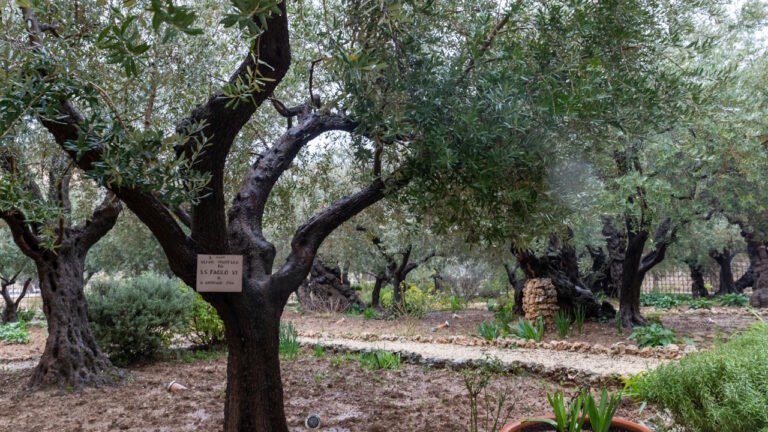
Annas had been the high priest for approximately nine years before his son-in-law, Caiaphas, took the office. Though the Roman procurator Valerius Gratus had technically removed him—perhaps due to political tensions or because Annas wielded too much influence—the fact remains that he still held the real power. The soldiers and officials bound Jesus and dragged Him before this shadow authority. Peter had already put away his sword in the garden, but it was Christ who truly humbled Himself, setting aside His infinite power so that they could lead the Son of God away. We know Jesus’ words alone could have summoned legions of angels to defend against these false judges, yet He went willingly, surrendered to the Father’s will.
Peter had more courage than most; he followed Jesus into that den of evil while the other Apostles scattered. However, we find that even his courage could not stand the pressure. When confronted with the choice to give a truthful testimony, he denied Jesus—not once, but three times, exactly as the Lord predicted. His spirit was willing, but his body was weak. This is the vital difference between his failure and the betrayal of Judas. Peter had a genuine desire for the Lord, but he possessed a frame as frail as ours. How can we judge Peter when we look at the times we have denied the Lord? There are the subtle betrayals to win the favor of those around us, the laughter at a coarse joke, the “white lies,” or the moments we choose judgment over compassion. Perhaps Peter was allowed to hit this spiritual bottom so that, once forgiven, he would have the heart to forgive others.
The questioning before Annas was an unofficial pretrial, a desperate attempt to find a charge that the crowds would accept. They needed a reason to justify putting the Son of God to death—grounds for insurrection or blasphemy. Jesus responded simply: “I haven’t spoken anything in secret.” His teaching was an open book. To kill the Lord, they would have to twist His words and manufacture charges. When the interrogation yielded nothing, they struck Him and sent Him bound to Caiaphas. By AD 70, the religious leaders would see their own power struck down as the temple burned, with not one stone left upon another.
Reflection Questions
- Peter denied Jesus while standing by a fire for physical warmth. In what ways do we prioritize our own “comfort” or social safety over standing up for our faith in public?
- Why is it often necessary for us to experience a total failure of our own strength before we can truly understand God’s grace and learn to show compassion to others?
- Jesus stood calmly before judges who had already decided His guilt. When you feel unfairly judged by the world, how does remembering Jesus’ silence and strength in the courtyard change your perspective?
Prayer
Father,
Forgive us for the times we have stood by the “fires” of this world and remained silent when we should have spoken for You. We thank You that even when we are weak and our courage fails, Your love for us does not. Thank You for the example of Peter—that failure is not the end of the story, but can be the beginning of a life defined by Your mercy. Help us to live with Your forgiveness in our hearts today.
Amen.