John 6:1-15 CSB

After this, Jesus crossed the Sea of Galilee (or Tiberias). [2] A huge crowd was following him because they saw the signs that he was performing by healing the sick. [3] Jesus went up a mountain and sat down there with his disciples. [4] Now the Passover, a Jewish festival, was near. [5] So when Jesus looked up and noticed a huge crowd coming toward him, he asked Philip, "Where will we buy bread so that these people can eat?" [6] He asked this to test him, for he himself knew what he was going to do. [7] Philip answered him, "Two hundred denarii worth of bread wouldn't be enough for each of them to have a little." [8] One of his disciples, Andrew, Simon Peter's brother, said to him, [9] "There's a boy here who has five barley loaves and two fish-but what are they for so many?" [10] Jesus said, "Have the people sit down." There was plenty of grass in that place; so they sat down. The men numbered about five thousand. [11] Then Jesus took the loaves, and after giving thanks he distributed them to those who were seated-so also with the fish, as much as they wanted. [12] When they were full, he told his disciples, "Collect the leftovers so that nothing is wasted." [13] So they collected them and filled twelve baskets with the pieces from the five barley loaves that were left over by those who had eaten. [14] When the people saw the sign he had done, they said, "This truly is the Prophet who is to come into the world." [15] Therefore, when Jesus realized that they were about to come and take him by force to make him king, he withdrew again to the mountain by himself.
Feeding the Soul
Faith is not merely something you think; it is something you live. It is a deep conviction in your soul that God exists, and your actions follow that belief. It isn’t just a mental agreement that something is true, but a life directed by that truth.
The feeding of the five thousand is so significant that it is recorded in all four Gospels. Jesus had just claimed that Moses spoke of Him in the previous chapter of John, and now He provides a visible witness so that those around Him might acquire a faith that saves—the kind of faith that recognizes Jesus is truly the Son of God.
Why would Jesus ask Philip specifically, rather than one of the other disciples? Knowing the geographic background of the Bible helps the pictures fall into place. We read in John chapter 1 that Philip was from Bethsaida, the hometown of Andrew and Peter. While the miracle didn’t happen exactly in Bethsaida, the town was nearby. Philip knew the local shops and the surrounding area. It is estimated that two hundred denarii represented about eight months of wages—a massive sum that still wouldn’t be enough to feed the multitude.
Jesus knew the miracle He was about to perform, but as He often does, He was molding those who followed Him. He asks us: Can we see beyond the simple “truths” of this world through the eyes of faith? Philip’s answer—that it was impossible—highlights the true scale of the miracle and the need for Philip’s faith to grow.
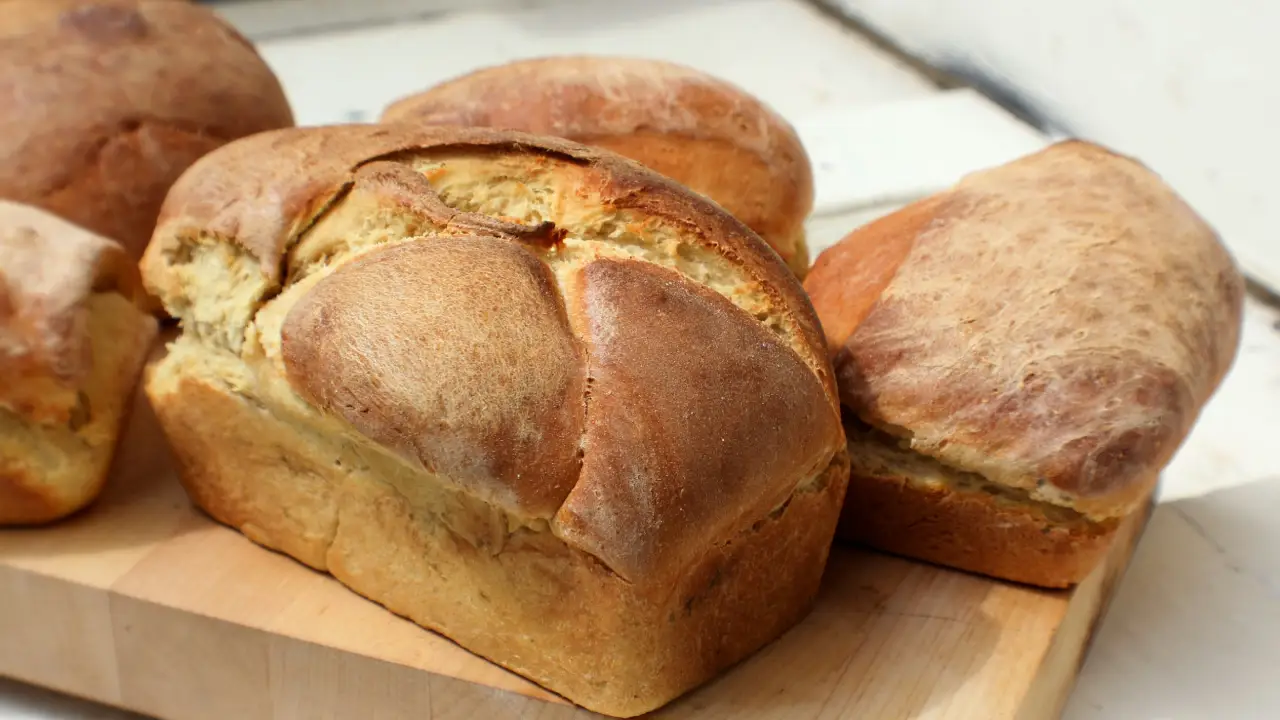
Then, the miracle happened. The impossible became possible. Five barley loaves and two fish fed an entire assembly of people who had gathered with a variety of motives. Some were just following the crowd, some were looking for entertainment, others sought immediate relief from a problem, and some were truly seeking the truth. The miracle was visible to all.
This miracle mirrors God’s provisions of the past. We know God provided manna from Heaven to meet the needs and increase the faith of the infant Jewish nation through Moses. In 2 Kings 4, the prophet Elisha fed one hundred men with twenty barley loaves, confirming that he was sent by God. The prophet said, “Give it to the people to eat… for this is what the LORD says: ‘They will eat, and they will have some left over.'”
By performing this miracle, Jesus was calling the crowd to believe: “I am doing the things of the prophets to show that I am of God. If you do not believe my words, at least believe because of the miracles. I have the words that will save your soul.”
The miracle was indeed enough for the people to believe that Jesus was the Prophet Moses had spoken of in Deuteronomy 18:15: “The LORD your God will raise up for you a prophet like me from among your own brothers. You must listen to him.” However, their belief was centered on their own needs rather than the Father’s plans.
Their physical hunger was satisfied, but they failed to understand the deeper spiritual hunger we all share—the hole in our hearts that can only be filled by our loving Father. They wanted to make Jesus a king by force, whereas God’s Kingdom is established by faith in the heart. In withdrawing, Jesus removed Himself and those around Him from a temptation similar to what He experienced in the wilderness when Satan offered Him the kingdoms of the world. Our focus must remain on the things of Heaven, not the things of this world.
Reflection Questions
- Philip looked at the “impossible” logistics of the situation. Is there an “impossible” situation in your life right now where you are relying on your own calculations instead of God’s provision?
- The crowd followed Jesus for many reasons (hunger, curiosity, signs). What is your primary motive for following Him this morning?
- Jesus retreated to the mountain when the crowd tried to force Him into a role He didn’t want. How can we ensure we are following the Jesus of the Bible, rather than trying to force Him to be the “king” we want Him to be?
Prayer
Father,
Thank You for being the Provider of both our physical and spiritual needs. Forgive us for the times we look at our small “loaves and fish” and forget who is standing next to us. Help us to see beyond the visible impossibilities and trust in Your abundance. Keep our hearts from trying to use You for our own ends, and instead, help us to be used for Yours. Lead us to the mountain of prayer when the world tries to pull us away from Your true purpose.
Amen.