Acts 22:22-30 CSB
They listened to him up to this point. Then they raised their voices, shouting, "Wipe this man off the face of the earth! He should not be allowed to live!" [23] As they were yelling and flinging aside their garments and throwing dust into the air, [24] the commander ordered him to be brought into the barracks, directing that he be interrogated with the scourge to discover the reason they were shouting against him like this. [25] As they stretched him out for the lash, Paul said to the centurion standing by, "Is it legal for you to scourge a man who is a Roman citizen and is uncondemned?" [26] When the centurion heard this, he went and reported to the commander, saying, "What are you going to do? For this man is a Roman citizen." [27] The commander came and said to him, "Tell me, are you a Roman citizen?" "Yes," he said. [28] The commander replied, "I bought this citizenship for a large amount of money." "But I was born a citizen," Paul said. [29] So those who were about to examine him withdrew from him immediately. The commander too was alarmed when he realized Paul was a Roman citizen and he had bound him. [30] The next day, since he wanted to find out exactly why Paul was being accused by the Jews, he released him and instructed the chief priests and all the Sanhedrin to convene. He brought Paul down and placed him before them.
Under Roman Law
The crowd is quiet as Paul speaks of his heritage, but the moment the word “Gentiles” leaves his lips, the silence shatters like glass.
In an instant, the courtyard below the barracks erupts into absolute chaos. The camera pulls back to show a sea of furious faces. Men are screaming until their veins bulge, violently tearing at their outer robes and scooping up handfuls of dry dirt, hurling it into the air until a thick, choking cloud of dust swallows the scene. The mob isn’t just angry; they are feral, baying for blood and shouting, “Wipe this man off the face of the earth!”
From the top of the stone steps, the Roman commander has seen enough. He doesn’t understand the language Paul is speaking, but he understands a riot. With a sharp flick of his wrist, Roman soldiers slam their heavy shields forward, cut through the noise, and drag Paul backward through the heavy iron doors of the Antonia Fortress, cutting off the roar of the crowd.
Inside the barracks, the atmosphere shifts instantly from the bright, dusty heat of the street to the cold, echoing shadows of Roman authority. The air smells of sweat, old iron, and leather. The commander wants answers, and Rome’s quickest interrogation tool is the scourge—a brutal whip laced with pieces of bone and lead designed to tear flesh to the bone.
The soldiers force Paul down, binding his wrists and stretching him tight across the whipping post. You can hear the heavy leather straps creaking under the tension. A soldier steps forward, unfurling the lash, his muscles tensing as he prepares to swing.
Then, Paul speaks. His voice isn’t a scream or a plea; it is calm, steady, and perfectly measured. He looks directly at the centurion overseeing the beating and drops a verbal bomb into the quiet room: “Is it legal for you to scourge a man who is a Roman citizen and is not condemned?”
The soldier’s arm freezes mid-air. The room goes dead silent.
The centurion blanches, instantly realizing the catastrophic mistake they are about to make. Whipping a Roman citizen without a trial is an automatic death sentence for the officer in charge. He turns on his heel, his heavy iron-nailed boots clattering against the stone floor as he runs to the commander’s private quarters. “What are you going to do?” the centurion breathes, his voice tight with panic. “For this man is a Roman citizen.”
The commander hurries back into the room, filled with a sudden panic as he looks at Paul. Standing before this bruised and travel-worn preacher, he steps in close and demands, “Tell me, are you a Roman citizen?”
“Yes,” Paul replies, his voice anchoring the room.
The commander tries to save face, looking at his own armor and muttering, “I bought this citizenship for a large amount of money.” It was a bribe, a purchased title.
Paul looks back at him, bloodied but holding an undeniable dignity that money could never buy. “But I was born a citizen.”
Instantly, the torturers step back into the shadows, dropping their weapons. The heavy chains are unbolted. The legal gravity of the Roman Empire has just slammed the brakes on a possible immediate execution, setting the stage for a dramatic showdown the very next morning before the highest Jewish court in the land.
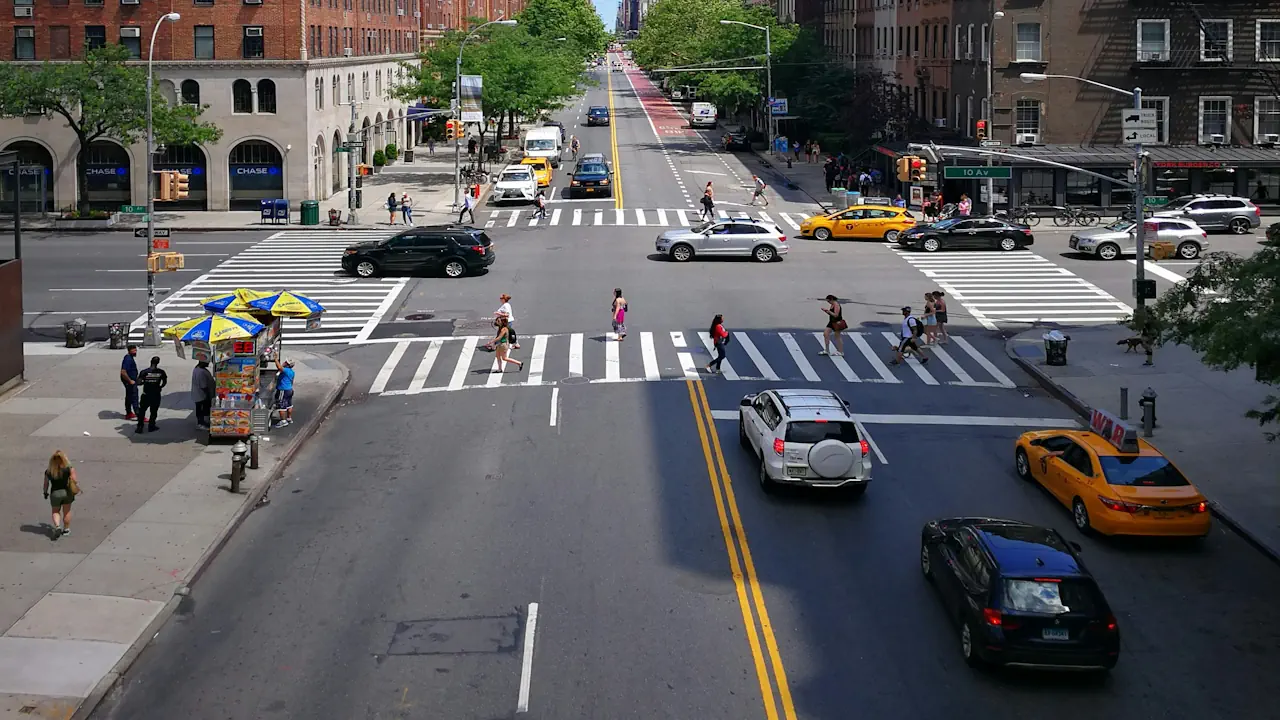
Paul has the proverbial nine lives, but it is not Paul; it is God working in the background. Things happen in life that bring us where we are today. We turn right at an intersection, or we are delayed by a slow traffic signal and miss the accident that would have hurt us. The person that we are madly in love with treats us with laughing rejection, but we find out years later that our loving Father had far better plans for us. We are born in a bustling Roman community, away from our Jewish homeland, but God uses this Roman citizenship to save us from the lash caused by our own people. If our loving Father did not watch over us and direct our steps, disaster would be waiting around every corner. Are we grateful today for the unseen miracles where God has intervened in our lives?
Reflection Questions
- When you look back at your life, can you identify a closed door, a delay, or a painful rejection that turned out to be the Father’s protective hand steering you away from disaster?
- Paul’s birthplace was entirely outside his control, yet God designed it to be his ultimate safety net decades later. How does knowing God maps out your details ahead of time help you trust Him with your current unknowns?
- It is easy to thank God for the obvious blessings we see, but how can you cultivate a habit of gratitude for the “unseen miracles”—the accidents you missed and the hidden dangers He quietly turns you away from?
Prayer
Father,
Thank You for being a loving Protector who watches over our every step. We praise You for the countless times You have intervened in our lives without us even realizing it—for the traffic delays, the closed doors, and the timing that kept us safe from harm. Forgive us for the times we complain about disruptions, failing to see that You are orchestrating our protection behind the scenes. Help us to rest in the security of Your sovereignty, knowing that our lives are firmly held in Your hands and that disaster cannot cross the boundaries You set. Fill our hearts with deep gratitude today for both the seen and unseen miracles of Your grace. In Jesus’ name.
Amen.