John 18:1-11 CSB
After Jesus had said these things, he went out with his disciples across the Kidron Valley, where there was a garden, and he and his disciples went into it. [2] Judas, who betrayed him, also knew the place, because Jesus often met there with his disciples. [3] So Judas took a company of soldiers and some officials from the chief priests and the Pharisees and came there with lanterns, torches, and weapons. [4] Then Jesus, knowing everything that was about to happen to him, went out and said to them, "Who is it that you're seeking?" [5] "Jesus of Nazareth," they answered. "I am he," Jesus told them. Judas, who betrayed him, was also standing with them. [6] When Jesus told them, "I am he," they stepped back and fell to the ground. [7] Then he asked them again, "Who is it that you're seeking?" "Jesus of Nazareth," they said. [8] "I told you I am he," Jesus replied. "So if you're looking for me, let these men go." [9] This was to fulfill the words he had said: "I have not lost one of those you have given me." [10] Then Simon Peter, who had a sword, drew it, struck the high priest's servant, and cut off his right ear. (The servant's name was Malchus.) [11] At that, Jesus said to Peter, "Put your sword away! Am I not to drink the cup the Father has given me?"
Colossians 2:8-9 CSB
Be careful that no one takes you captive through philosophy and empty deceit based on human tradition, based on the elements of the world, rather than Christ. [9] For the entire fullness of God's nature dwells bodily in Christ,
Drawing the Sword
We envision the night that Jesus was betrayed. The Passover falls in late March or early April, a pivot point in the Judean climate where winter fades into spring. It is the tail end of the “latter rains,” which turn the deep, dark ravine of the brook of Kidron into a rushing winter torrent. As the rain stops, the brook begins to dry, leaving a rocky, damp path through the valley. I can see Jesus and His followers making their way over the brook in the moonlight, stepping carefully to avoid the obstacles that entangle the feet. Perhaps a few brought torches to light the treacherous path. The lessons have stopped; the action has started. Jesus is walking toward His death. The entire fullness of God was walking this path, followed by those who believed in His words.
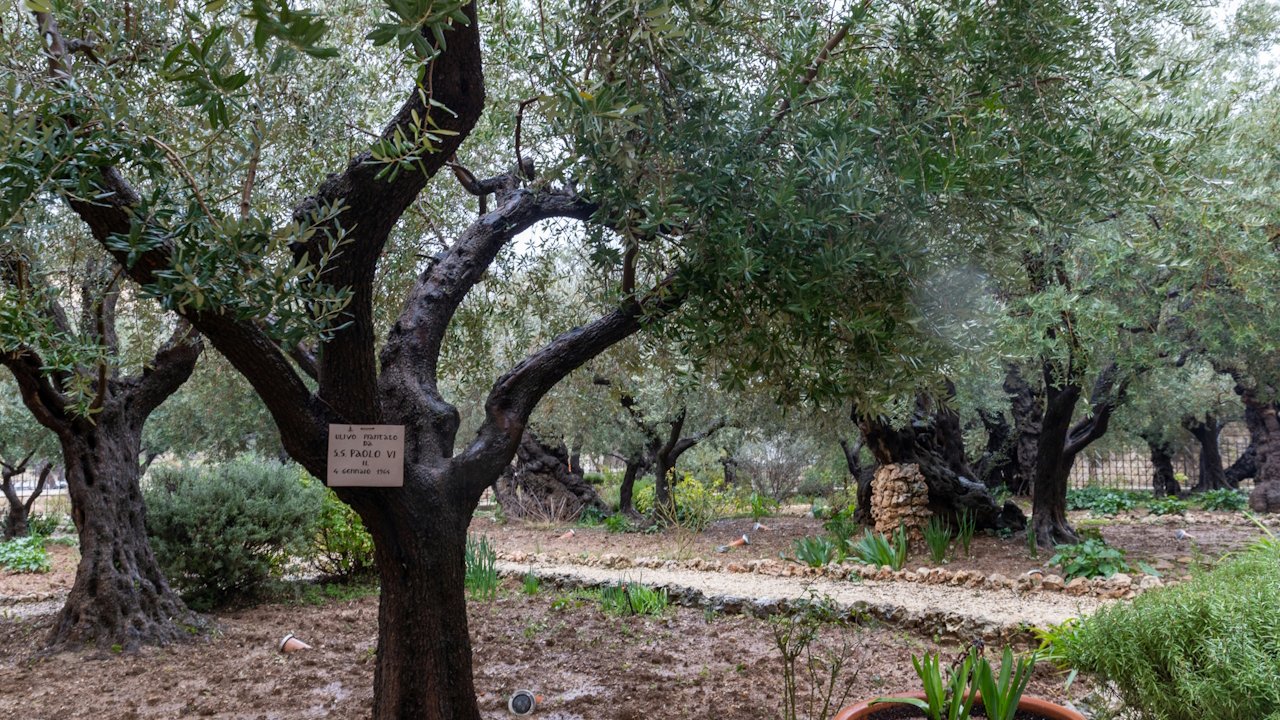
The goal was to reach the garden that Jesus and His disciples often frequented—one last look at peace before the weight of the cross. To this day, I love a well-kept garden. My grandmother spent many hours in hers; it was a thing of beauty, with flowers slowly swaying amid the sounds and smells of the surrounding nature. Jesus knew that Judas would be there to betray Him in His garden of peace, yet He kept on walking. The shady olives of the garden would soon unfold a scene of ultimate betrayal. As Jesus said in John 10:18, no man could take His life from Him—He was choosing to lay it down.
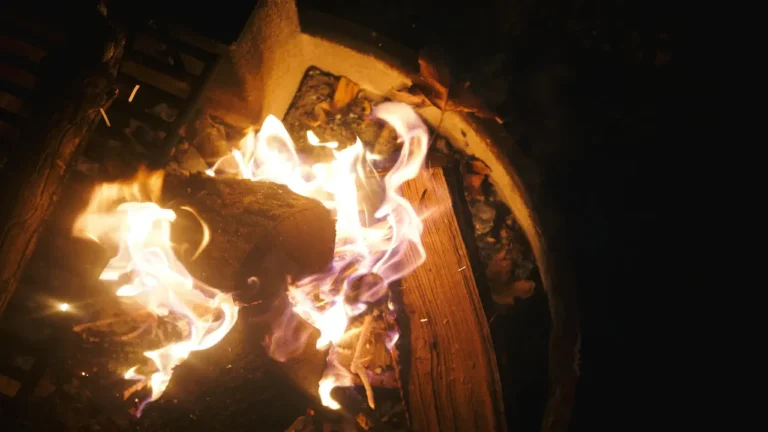
They reach the sanctuary of the garden, but the stillness of the night is soon broken. A blood-thirsty band arrives, carrying flickering lanterns, smoking torches, and iron weapons, their heavy boots shattering the quiet. Small animals scurry into the safety of the night as evil steps into the light. Jesus walks calmly out in front of His followers and asks, “Who do you seek?” When they call out His name, He responds with the divine phrase of power: “I am he.”
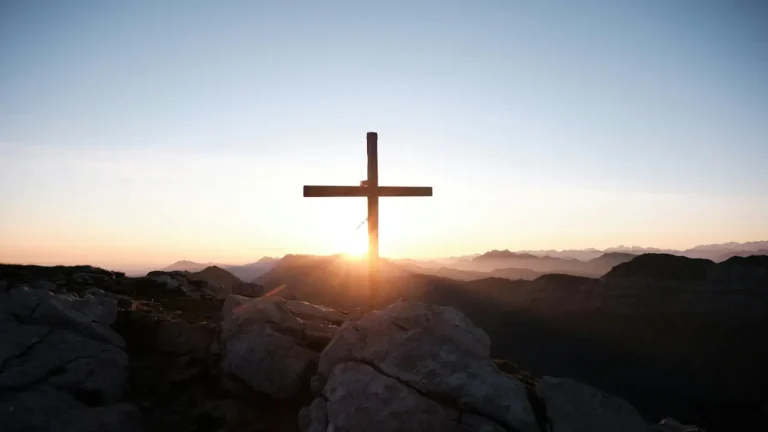
At the sound of the “I AM,” these men with honed weapons fell to the ground. In this moment, Jesus makes it known that the Son of God is giving Himself to them. He surrenders to retain the peace of the garden and to protect His followers, a beginning action that leads directly to the cross. Then Peter gains his senses—or so he thinks. He grabs a sword and strikes in a panic. There is an immediate rebuke by the Lord: “Put your sword away!” There will be peace. Jesus will do the Father’s will. It is better to forgive the violent so the Father can be glorified and His work on earth can be completed. Jesus is taken, maintaining the safety of the ones He loves.
Reflection Questions
- Jesus knew Judas would be in the garden, yet He went anyway. When you face a situation where you know “trouble” is coming, how does the “long view” of Jesus walking into the Kidron help you keep moving forward?
- The soldiers fell to the ground just at the sound of His voice. How does it comfort you to know that the One who protects you has more power in a single sentence than an entire army has in their weapons?
- Peter tried to solve a spiritual problem with a physical weapon. In what areas of your life are you tempted to “draw the sword” (reacting in anger or control) rather than trusting the Father’s will and the path Jesus has set?
Prayer
Father,
We thank You for the courage of Your Son, who walked across the Kidron and into the garden knowing what awaited Him. Forgive us for the times we try to fight our battles with the “swords” of this world—with anger, fear, or selfish ambition. Help us to stand still and see Your power, trusting in the Name that makes the darkness tremble. Thank You for the “long view” of the cross, where true peace was won.
Amen.