John 7:1-13 CSB
After this, Jesus traveled in Galilee, since he did not want to travel in Judea because the Jews were trying to kill him. [2] The Jewish Festival of Shelters was near. [3] So his brothers said to him, "Leave here and go to Judea so that your disciples can see your works that you are doing. [4] For no one does anything in secret while he's seeking public recognition. If you do these things, show yourself to the world." [5] (For not even his brothers believed in him.) [6] Jesus told them, "My time has not yet arrived, but your time is always at hand. [7] The world cannot hate you, but it does hate me because I testify about it-that its works are evil. [8] Go up to the festival yourselves. I'm not going up to this festival, because my time has not yet fully come." [9] After he had said these things, he stayed in Galilee. [10] After his brothers had gone up to the festival, then he also went up, not openly but secretly. [11] The Jews were looking for him at the festival and saying, "Where is he?" [12] And there was a lot of murmuring about him among the crowds. Some were saying, "He's a good man." Others were saying, "No, on the contrary, he's deceiving the people." [13] Still, nobody was talking publicly about him for fear of the Jews.
Families Judge the Hardest
We find Jesus approximately six months after the Passover, staying in Galilee. The atmosphere in Judea had turned toxic. The Jewish authorities were selfishly guarding their power, unwilling to let Jesus dismantle the man-made religious structures they had spent lifetimes building. Because he threatened their control, they were already seeking opportunities to kill him, to wipe him from the face of the earth.
Despite this danger, there was a mandatory appointment that Jesus and all Jewish males had to attend as written in the law of Moses, the Feast of Booths.
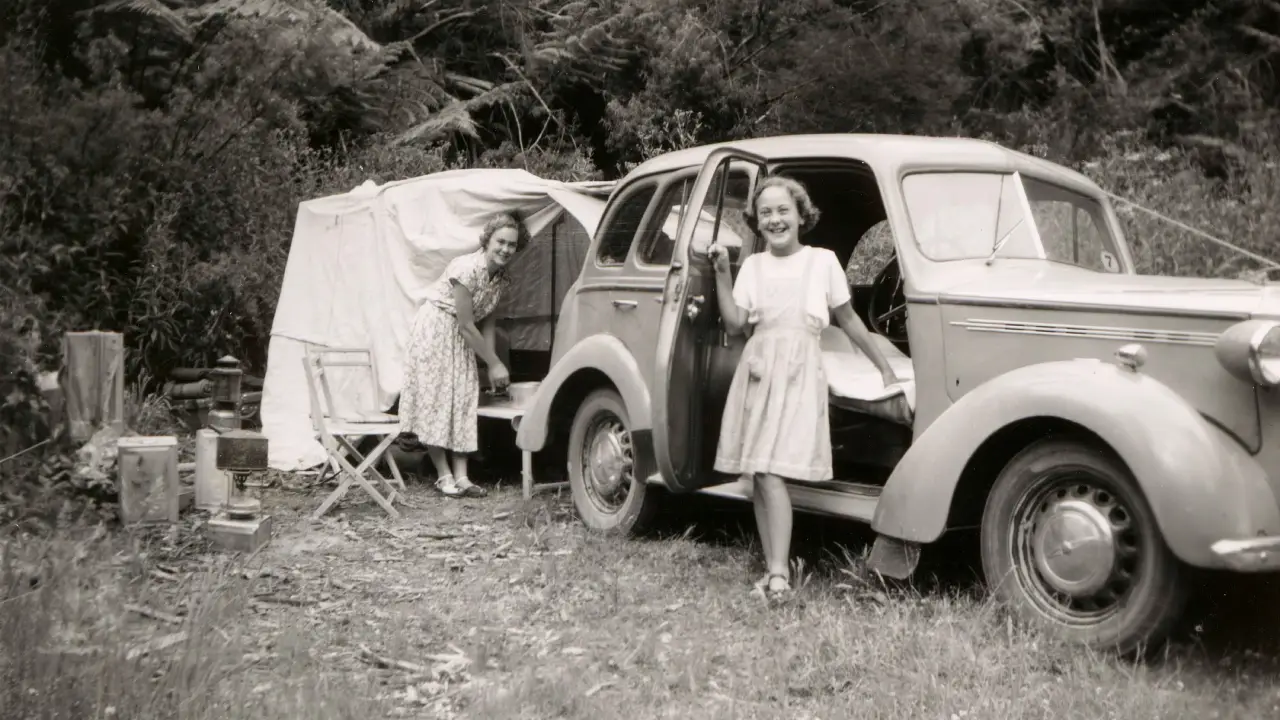
This festival, held even today in Israel, has always held a special place in my heart because it reminds me of being a young boy. My parents would let my friends and me pitch a tent in the yard of our house in town. We would gather our “survival” supplies—chips, soda, flashlights, and sleeping bags—and spend the night telling ghost stories. It was a time of pure fun, made possible because we knew we were being over-watched by my parents from the safety of the house.
This is the heart of the Feast of Booths: an eight-day celebration to remember when the nation of Israel lived in temporary shelters while wandering the wilderness. It was a time of total dependence on God’s protection. However, for Jesus, the “tent” of His earthly life was being challenged by those closest to Him.
As His brothers prepared for the trip, they offered a half-taunt born of unbelief: “Leave here and go to Judea… show yourself to the world.” They wanted Him to use His miracles for personal gain and public recognition. This highlights how difficult family dynamics can be when navigating faith. It is a unique pain when those who know us intimately fight against who we have become in Christ, perhaps wishing we would return to “what we once were,” even if that person was difficult or lost.
As Jesus warned in Matthew 10, following Him sometimes requires us to choose His will over the expectations of our own family. Our faith must come first, above all else.
While His brothers went ahead, Jesus waited. He knew the cost of showing His face in Jerusalem. The time of his death would be at the appointed time, not earlier. Jesus would go up to the celebration later.
The religious leaders kept a tight rein on the population, using the threat of the synagogue “ban” to keep people in line. To speak for Jesus was to risk excommunication—a form of complete social death and isolation. The person would be thrown out of worship, from social support. They would be outcasts, treated as if they were dead.
This creates the same hard decision for us today that the crowds faced then. Do we stay in the “safety” of the shadows, or do we step out in faith? Like the lights we carried in our tents as children, we are called to be a candle in a dark world. We show our faith brightly, not for our own glory, but so that others might see a reflection of the Father in our lives and find the same faith that saved us.
Reflection Questions
- In your childhood memory, you felt safe in the tent because you knew your parents were watching from the house. In your walk with Christ today, do you feel that same safety in God’s “over-watching” care, even when you are in a “temporary” or difficult season?
- Jesus’ own brothers misunderstood His mission and pushed Him toward worldly recognition. Have you ever felt the pressure from family or old friends to be “who you used to be” rather than who God is calling you to be?
- The people in Jerusalem were afraid to speak of Jesus publicly for fear of isolation. Are there areas in your life where you find yourself keeping your faith “secret” out of fear of what the “authorities” in your life might think?
Prayer
Father,
Thank You for the safety of Your over-watching care, just like the watchful eyes of a parent over a child in a tent. We ask for strength when family or those who know us best struggle to see the work You are doing in our hearts. Help us to value Your timing above the world’s demand for recognition. Give us the courage to stand for the truth even when the world—or even the religious structures around us—pressures us to stay silent. Let our lives be a reflection of Your light today.
Amen.