Acts 6:1-7 CSB
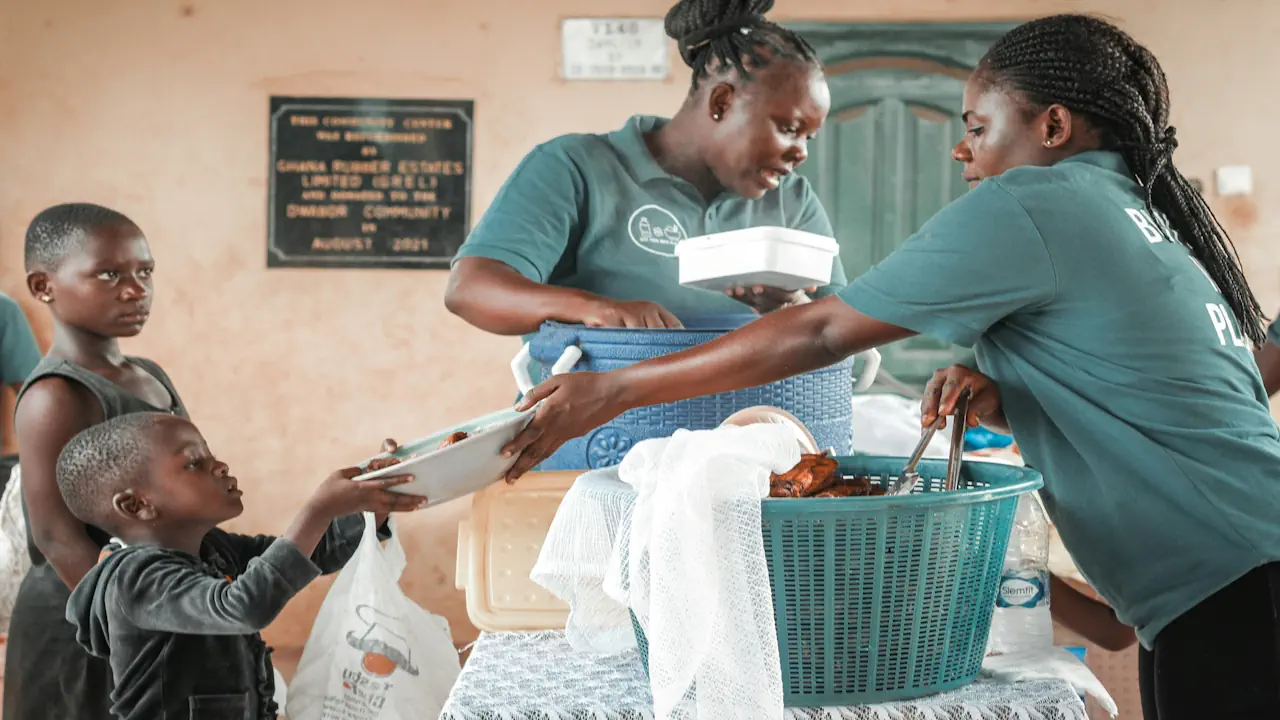
In those days, as the disciples were increasing in number, there arose a complaint by the Hellenistic Jews against the Hebraic Jews that their widows were being overlooked in the daily distribution. [2] The Twelve summoned the whole company of the disciples and said, "It would not be right for us to give up preaching the word of God to wait on tables. [3] Brothers and sisters, select from among you seven men of good reputation, full of the Spirit and wisdom, whom we can appoint to this duty. [4] But we will devote ourselves to prayer and to the ministry of the word." [5] This proposal pleased the whole company. So they chose Stephen, a man full of faith and the Holy Spirit, and Philip, Prochorus, Nicanor, Timon, Parmenas, and Nicolaus, a convert from Antioch. [6] They had them stand before the apostles, who prayed and laid their hands on them. [7] So the word of God spread, the disciples in Jerusalem increased greatly in number, and a large group of priests became obedient to the faith.
James 1:27 CSB
Pure and undefiled religion before God the Father is this: to look after orphans and widows in their distress and to keep oneself unstained from the world.
Preaching of the Word
Many of us know the quiet burnout that comes from trying to hold everything together. It is an easy trap to fall into—the feeling that if we don’t oversee every detail, the mission might fail. We can feel like the director of a play, rushing to set the lights, paint the scenery, and script every line. It is a whirlwind of activity, but eventually, the energy wanes. We were never meant to carry the entire weight of the mission alone. It is a gentle reminder to all of us that we are called to be fellow servants, not masters of every detail.
We see this weight on Moses in Exodus 18. His father-in-law, Jethro, offered a perspective that every leader needs to hear: “You will certainly wear out both yourself and these people who are with you, because the task is too heavy for you. You can’t do it alone.”
We see this same tension in the early church. The Apostles were devoted to the primary calling of prayer and the preaching of the Word. Yet, as the community grew, the logistical demands began to pull them away from that essential focus. Just as Moses needed to share the load, the Apostles needed help to manage the practical needs of a growing family.
The crisis began with a complaint. The Hellenistic Jews—Jews of the Diaspora, those living in communities scattered outside the land of Israel—felt their widows were being overlooked in the daily distribution of food. Because these believers spoke Greek as their primary language and carried a distinct cultural identity, they were unfortunately distanced from the native Hebraic community, and their most vulnerable members were suffering.
When the Apostles heard this, they responded with grace and humility. They didn’t avoid the issue; they took action. They invited the community to select seven men of good reputation, full of the Spirit and wisdom, to care for those in need. Notably, all seven men—including Stephen and Philip—bore Greek names, indicating they were part of the Hellenistic community itself. By empowering them, the Apostles bridged the gap and ensured that no one was left behind.
This shift reminds us that we are all called to reflect the light of Christ. We do this by serving one another and living in a way that points to Him, supporting one another in humility rather than trying to control the outcome. When we accept our own limits and encourage others to step into their own callings, the work doesn’t suffer; it expands. As a result of this delegation, the Word of God spread further, and the church grew in ways no one expected. Even many priests, who were once thought to be firmly set against the movement, became obedient to the faith.
There is also a deeper lesson here about seeing every member of the body of Christ without “filtered glasses.” In the early Sunday School song, we are reminded: “Red and yellow, black and white, they are precious in His sight.” Christianity is meant to be free of social barriers. The gospel is preached to all, and through it, Jesus draws us together into one family.
Reflection Questions
- Do you find yourself trying to “direct the play” in your own life? Where do you need to stop trying to do it all and start trusting others—and God—with the load?
- The Apostles refused to let the “good” (serving tables) distract them from the “best” (preaching and prayer). How do you prioritize your time between your daily responsibilities and your spiritual growth?
- The early church acted quickly to ensure no group felt marginalized. How can we ensure our own communities are truly caring for the “widows and orphans” in our midst?
Prayer
Father,
Thank You for the gift of serving one another and for the wisdom to know when we are carrying a burden that wasn’t meant for us alone. Forgive us for the pride that drives us to try to control every outcome. Teach us to prioritize Your Word and prayer, while also caring deeply for those around us. Help us to build a community where everyone is represented, everyone is valued, and where Your truth is the only thing that grows. In Jesus’ Name,
Amen.