Acts 5:12-16 CSB
Many signs and wonders were being done among the people through the hands of the apostles. They were all together in Solomon's Colonnade. [13] No one else dared to join them, but the people spoke well of them. [14] Believers were added to the Lord in increasing numbers-multitudes of both men and women. [15] As a result, they would carry the sick out into the streets and lay them on cots and mats so that when Peter came by, at least his shadow might fall on some of them. [16] In addition, a multitude came together from the towns surrounding Jerusalem, bringing the sick and those who were tormented by unclean spirits, and they were all healed.
Signs and Wonders
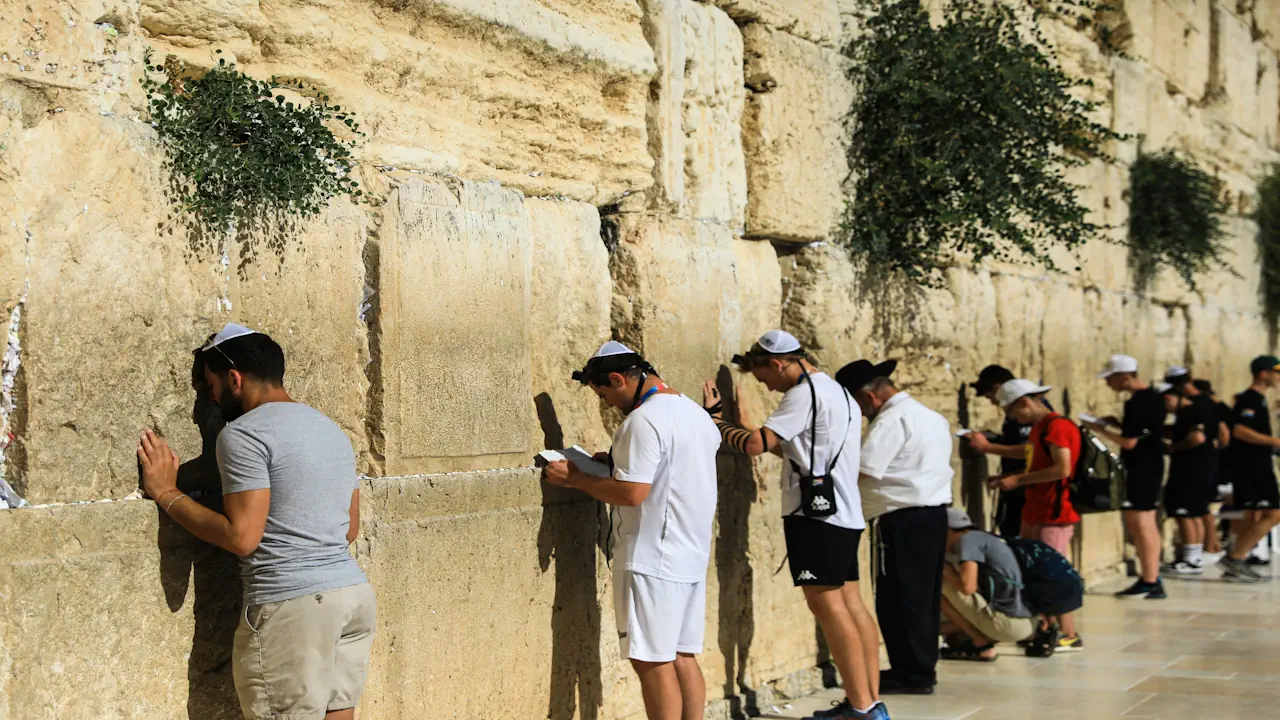
The Jewish Temple during the days of the early church sprawled across thirty-five acres of Jerusalem’s eastern ridge, its gleaming white limestone walls visible for miles. The complex rose in concentric, tiered courts—each more sacred than the last—like a magnificent wedding cake of holiness ascending toward heaven. Around its perimeter, merchants hawked sacrificial doves and lambs while pilgrims exchanged Roman coins for temple currency amid the pungent aromas of incense, animals, and humanity.
The Court of the Gentiles formed the vast outer plaza where anyone could enter—Jews and foreigners alike mingling in its columned porticoes. Here, money-changers’ tables clattered with coins until Jesus overturned them in righteous anger, his voice echoing off the polished stones as he declared, “My house shall be called a house of prayer!”
Beyond this stood the Court of Women, where Jewish families gathered beneath intricately carved stone railings and galleries.Thirteen trumpet-shaped collection boxes received the tinkling of coins—from the wealthy man’s clanging gold to the widow’s whispered copper mites. Higher still, the Court of Israel welcomed ritually pure Jewish men who brought trembling sacrifices forward. Then came the Court of Priests, where the massive bronze altar smoked continuously. At the heart of everything stood the Temple Building itself, housing the Holy of Holies behind a richly embroidered veil.
The early church gathered beneath the shelter of Solomon’s Colonnade, a majestic covered walkway that stretched along the eastern edge of the Temple’s outer court. Perched above the Kidron Valley, this columned porch provided shade from the scorching Jerusalem sun and a natural meeting place where believers could speak freely. Because it was located in the Court of the Gentiles, it offered a rare space where the gospel could reach anyone who would listen.
God was working through the Apostles with the power of the Holy Spirit. Many signs and wonders brought power and authority to the gospel that was being preached; this gospel was probably very similar to the previous gospels that Peter spoke with authority during Pentecost and in front of the Jewish council. The early church was held in high regard by the common people of Jerusalem and surrounding areas, but fear of the religious authorities caused a separation of the early church and the masses; however, people saw the miracles. The need for healing and release from satanic forces kept the people coming to the Apostles for healing.
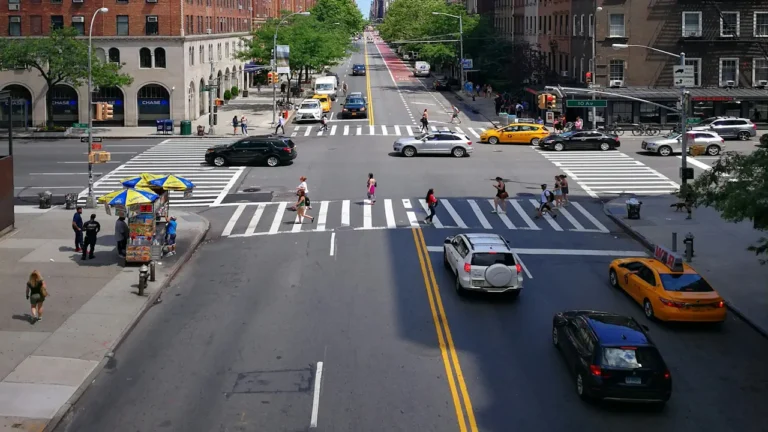
The sick would be laid out in the street so that the Holy Spirit’s healing power might land on them as Peter’s shadow passed by. Although people were afraid to openly support the early group of believers, they would come and hear the gospel at Solomon’s Colonnade, and those who were being saved would be added to the numbers of the early believers.
Then there were the religious leaders of the day—the Sadducees, Teachers of the Law, and the Pharisees—as well as the Temple guard who kept watch over the grounds. The most Holy Temple that covered acres and held a very sacred place was being overshadowed by this band of early believers. The Apostles were performing miracles that the religious leaders could not: healing the sick and driving out demons. A storm was coming. The two forces would meet.
Reflection Questions
- How does the location of Solomon’s Colonnade (in the Court of the Gentiles) reflect the “open” nature of the New Covenant compared to the restricted access of the inner Temple courts?
- The people were drawn to the miracles but were afraid to openly join the Apostles. How does this reflect the cost of public identification with Jesus today?
- When you consider the tension between the religious leaders and the Apostles, what do you think the leaders feared losing the most?
Prayer
Father,
We thank You that Your presence is no longer confined to a building made of stone, but dwells within Your people. Thank You for the boldness You gave the Apostles to proclaim the Gospel in the very shadow of the Temple, and for the power of the Holy Spirit that continues to work through us today.
Amen.