Acts 21:1-14 CSB
After we tore ourselves away from them, we set sail straight for Cos, the next day to Rhodes, and from there to Patara. [2] Finding a ship crossing over to Phoenicia, we boarded and set sail. [3] After we sighted Cyprus, passing to the south of it, we sailed on to Syria and arrived at Tyre, since the ship was to unload its cargo there. [4] We sought out the disciples and stayed there seven days. Through the Spirit they told Paul not to go to Jerusalem. [5] When our time had come to an end, we left to continue our journey, while all of them, with their wives and children, accompanied us out of the city. After kneeling down on the beach to pray, [6] we said farewell to one another and boarded the ship, and they returned home. [7] When we completed our voyage from Tyre, we reached Ptolemais, where we greeted the brothers and sisters and stayed with them for a day. [8] The next day we left and came to Caesarea, where we entered the house of Philip the evangelist, who was one of the Seven, and stayed with him. [9] This man had four virgin daughters who prophesied. [10] After we had been there for several days, a prophet named Agabus came down from Judea. [11] He came to us, took Paul's belt, tied his own feet and hands, and said, "This is what the Holy Spirit says: 'In this way the Jews in Jerusalem will bind the man who owns this belt and deliver him over to the Gentiles.'" [12] When we heard this, both we and the local people pleaded with him not to go up to Jerusalem. [13] Then Paul replied, "What are you doing, weeping and breaking my heart? For I am ready not only to be bound but also to die in Jerusalem for the name of the Lord Jesus." [14] Since he would not be persuaded, we said no more except, "The Lord's will be done."
Farewells
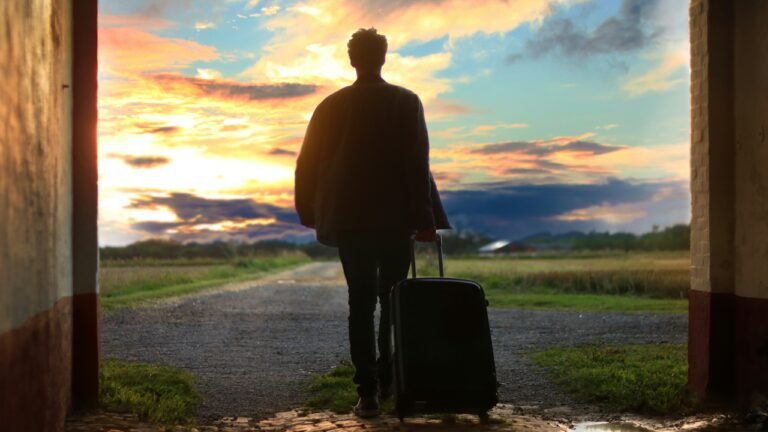
Every single time Paul stepped foot into a new harbor or gathered with believers along this final journey toward Jerusalem, a solemn warning echoed through the crowd. He was under no illusions about what lay ahead; he knew with absolute certainty that intense danger, chains, and political imprisonment were waiting for him at the end of the road. Yet, notice the beautiful bond of the early Church: whole Christian families—husbands, wives, and young children—consistently walked alongside Paul out of the city gates, refusing to leave his side until they knelt together in the coastal sand to pray their final goodbyes.
Eventually, Paul’s ship docked in Caesarea, where he moved into the bustling home of Philip the evangelist. This was a uniquely vibrant, spiritually alive household. Philip, who had been chosen years earlier as one of the original seven deacons in Jerusalem, had four unmarried daughters who possessed the prophetic gift of the Holy Spirit.
Way back in Acts chapter 2, on the day of Pentecost, Peter had stood before the crowds and declared a radical promise from the prophet Joel: that in the last days, God would pour out His Spirit on all humanity, and our “sons and daughters shall prophesy.” Here, in the quiet structure of a regular Christian home, that beautiful promise was actively being lived out. The Spirit was speaking clearly, and almost everyone in Paul’s circle knew the storm that was brewing at his destination.
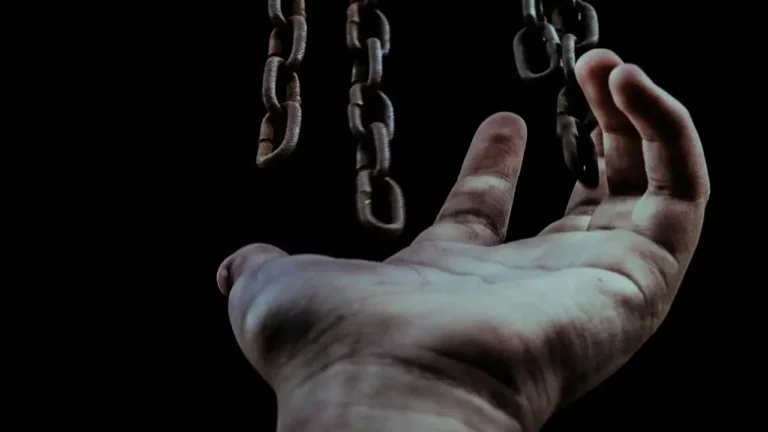
While they were staying there, a well-known prophet named Agabus traveled down from Judea to deliver a specific, dramatic message from the Lord. Walking into the room, Agabus approached Paul, unfastened the long leather belt from around the apostle’s waist, and began binding his own hands and feet with it. Through this striking visual demonstration, he spoke with prophetic authority: “In this way the Jews in Jerusalem will bind the man who owns this belt and deliver him over to the Gentiles.”
The room instantly erupted into tears. Devastated by the graphic prophecy, the local believers and even Paul’s closest traveling companions began desperately begging and pleading with him to turn back and abandon his plans for Jerusalem. The sheer weight of their affection was crushing. It was breaking Paul’s heart to witness the intense pain and love they felt for him, but his spiritual focus remained completely unyielding.
Paul recognized that there are times in our Christian walk where we must demonstrate a fierce, sacrificial love—a love that willingly follows our Lord’s will for the sake of helping and saving others, regardless of the personal cost. Like a soldier resolute in his mission, Paul’s face was set like flint. He boldly looked at his weeping friends and declared that he was ready not only to be bound in chains, but to lay down his very life for the name of Jesus.
Seeing that he could not be swayed by their tears, the believers finally ceased their pleading and surrendered to a higher authority, whispering: “The Lord’s will be done.”
This raises a fascinating question: Why did the Holy Spirit repeatedly warn Paul through these prophets if he was supposed to go anyway? Many scholars believe these warnings were never meant to prevent Paul from completing his task or to suggest he was stepping outside of God’s will. Rather, the Holy Spirit was purposefully enlightening the young churches, sovereignly preparing the hearts of the believers for the looming arrest of this great champion of the faith, ensuring they wouldn’t lose hope when he was finally thrown into chains.
What about us today? Are we living purely for our own comfort, security, and personal happiness, or are we willingly taking up the heavy mantle of the name by which we are called: Christians? If the Lord clearly leads us into a season of hardship or sacrifice for the spiritual benefit of someone else, will we actually follow Him?
The scriptures tell us that there is no greater love than a person who is willing to lay down their life and comfort for another. We still see this beautiful, quiet heroism today in modern missionaries who choose to live in remote, dangerous places, dedicating their lives to serving the poor and spreading the Gospel without a single one of the modern luxuries they could easily enjoy if they simply lived for themselves. When our time on this earth is finally over and we stand before the throne, how will our Lord evaluate what we did with our lives? Did we hoard our comfort, or did we freely give of ourselves to a world in need?
Reflection Questions
- Philip’s four daughters actively used their spiritual gifts to serve the believers in their home. What does their household teach us about the importance of fostering a spiritually alive environment within our own families today?
- Agabus used a dramatic visual action with a belt to deliver a hard truth. How do we typically react when God uses a person or a circumstance to give us a direct warning or a difficult truth that we don’t necessarily want to hear?
- The believers had to move from begging Paul to stay safe to praying, “The Lord’s will be done.” Is there an area in your life right now—a child, a career path, a financial situation, or a personal plan—where you need to stop wrestling and surrender it to the Lord’s will?
Prayer
Father,
You are the sovereign King, and Your plans are always perfect, even when they lead us through difficult and costly valleys. We thank You for the inspiring example of Paul, who loved Your name so deeply that he valued Your mission far above his own safety, comfort, or survival. Forgive us for the times we pray for our own comfort rather than Your will, and for the times we shrink back from doing hard things for the sake of the Gospel. Help us to hold our lives and our personal plans with open hands. Give us the courage to follow Your Spirit wherever He leads, and give us a sacrificial love that is willing to pour out our time, our energy, and our resources for the benefit of others. We lay our days at Your feet and say with sincere hearts: Your will be done. In Jesus’ mighty Name we pray.
Amen.