Acts 20:13-27 CSB
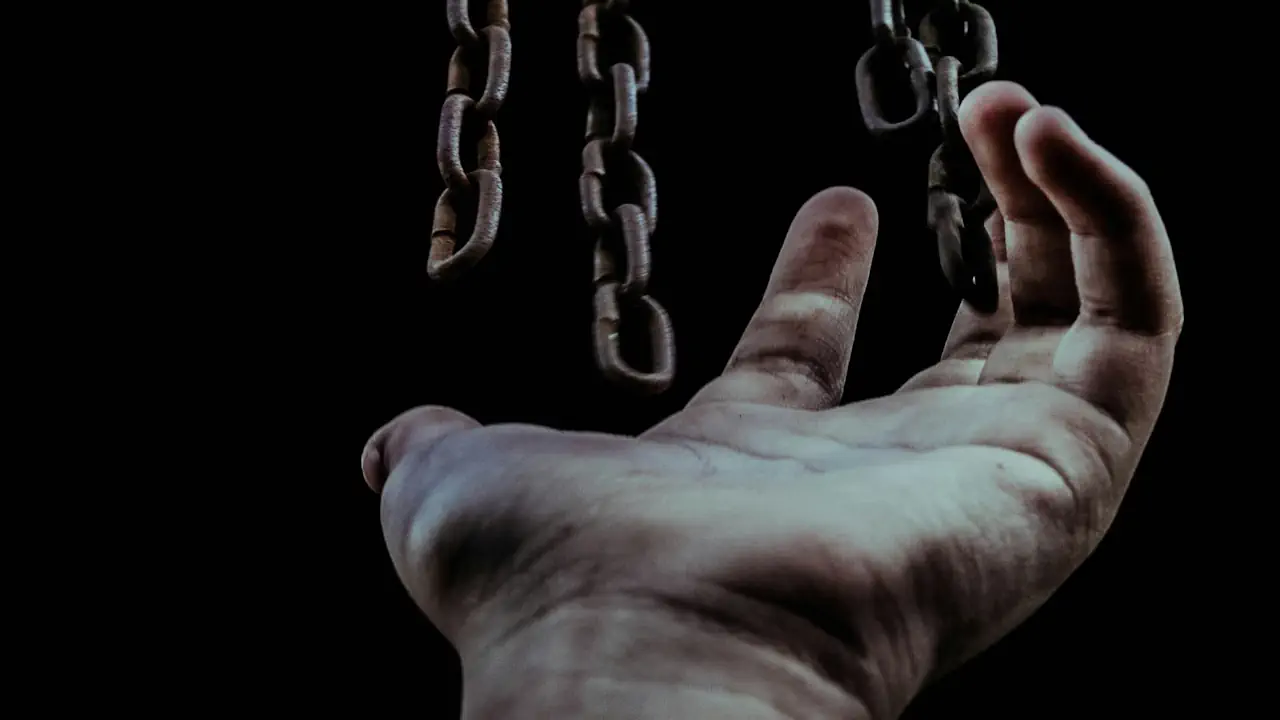
We went on ahead to the ship and sailed for Assos, where we were going to take Paul on board, because these were his instructions, since he himself was going by land. [14] When he met us at Assos, we took him on board and went on to Mitylene. [15] Sailing from there, the next day we arrived off Chios. The following day we crossed over to Samos, and the day after, we came to Miletus. [16] For Paul had decided to sail past Ephesus to avoid spending time in the province of Asia, because he was hurrying to be in Jerusalem, if possible, for the day of Pentecost. [17] Now from Miletus, he sent to Ephesus and summoned the elders of the church. [18] When they came to him, he said to them, "You know, from the first day I set foot in Asia, how I was with you the whole time, [19] serving the Lord with all humility, with tears, and during the trials that came to me through the plots of the Jews. [20] You know that I did not avoid proclaiming to you anything that was profitable or from teaching you publicly and from house to house. [21] I testified to both Jews and Greeks about repentance toward God and faith in our Lord Jesus. [22] "And now I am on my way to Jerusalem, compelled by the Spirit, not knowing what I will encounter there, [23] except that in every town the Holy Spirit warns me that chains and afflictions are waiting for me. [24] But I consider my life of no value to myself; my purpose is to finish my course and the ministry I received from the Lord Jesus, to testify to the gospel of God's grace. [25] "And now I know that none of you, among whom I went about preaching the kingdom, will ever see me again. [26] Therefore I declare to you this day that I am innocent of the blood of all of you, [27] because I did not avoid declaring to you the whole plan of God.
Hebrews 11:36-38 CSB
Others experienced mockings and scourgings, as well as bonds and imprisonment. [37] They were stoned, they were sawed in two, they died by the sword, they wandered about in sheepskins, in goatskins, destitute, afflicted, and mistreated. [38] The world was not worthy of them. They wandered in deserts and on mountains, hiding in caves and holes in the ground.
Count the Cost
Jesus clearly warned everyone who heard Him to carefully count the cost of following Him. But when you finally open your spiritual eyes and see that what Jesus offers is worth far more than all the gold, silver, and precious stones upon the face of the Earth, you realize the earthly cost is fleeting and lasts for only a short time.
As Paul made his final journey toward Jerusalem, he was given explicit insight by the Holy Spirit that he would never again see the faces of these church members—people he didn’t just view as converts, but as his own deeply cherished family. Right before this meeting, Paul actually chose to walk entirely alone on a rugged, twenty-mile mountain trek from Troas to Assos while his companions sailed ahead on the ship. He needed time alone with his Father to brace his soul. He had served the Lord among them with deep humility and many tears. His message had never been overly complicated; it was beautifully simple so that anyone could hear and understand. He simply proclaimed that Jesus died for their sins, rose again from the dead, and now sits triumphantly at the right hand of the Father in Heaven, actively interceding for us.
Paul had run the first leg of his race faithfully on the mission fields where the Holy Spirit sent him. Now, he knew he had to enter the grueling second leg of his course: to proclaim Christ directly into the hostile courts of Rome.
As Paul boldly states to the Ephesian elders, he considered his own life of absolutely no value to himself, purposefully placing the service of Jesus Christ above everything else. Like the long line of faithful, bleeding servants described in Hebrews 11, Paul served the Lord through intense humiliation, trials, and tears. He spread the Gospel relentlessly to both Jews and Gentiles, frequently finding himself mistreated, scourged, and bound in chains inside dark prisons. Now, the Holy Spirit was telling him that things were about to get even worse.
He knew with absolute certainty that his dear friends on the beach would never look upon his face again, yet his conscience was completely clear. He declared to them that he was entirely innocent of their blood. Why? Because he had not shrunk back from giving them the Gospel fully. Alongside his faithful companions, he had firmly established these churches and held nothing back.
When you really look at the raw emotion of this beachside goodbye, it completely changes the sterile, rigid view that some people have of Paul.
When I first started studying the Bible years ago, I will admit that Paul was quite hard for me to understand. At times, his sharp, direct words made me wonder if I could ever truly call a man like Paul a friend. But a wise pastor friend told me something when I mentioned this frustration to him, and his words have proven completely true: As you read deeply about Paul and see what he willingly gave up out of pure, unadulterated love for his Lord and the church, you stop criticizing him and you begin to stand in absolute awe of him. This was a man who gave his absolute all for Christ. He transformed from a violent, bloodthirsty religious fanatic who actively persecuted the church into a broken, tender-hearted shepherd who proclaimed the name of Jesus into the farthest reaches of the known world. He remained true to the end, and he was not guilty of other people’s blood because he told them the truth about Jesus.
But this tearful goodbye on the shores of Miletus was not the end of his story. This painful transition marked the beginning of his historic second act. It was through this very arrest and ensuing imprisonment that Paul would sit under guard and write many of the treasured letters of our New Testament, feeding the global church for centuries to come.
If Paul were to step out of history and speak directly to us today, I think he would look us straight in the eye and ask a deeply sobering question: Are we guilty of the blood of the people in our lives? Have we quietly left our neighbors, our co-workers, or our childhood friends stranded in their sins, silently heading toward eternal destruction, or have we loved them enough to tell them the life-changing truth about Jesus Christ?
Reflection Questions
- The author shares that Paul initially seemed hard to understand, until he looked past his sharp words to see his deep sacrifices of love. Have you ever struggled with certain difficult passages written by Paul, and how does seeing his “humility and tears” change your perspective of his letters?
- Paul stated that he considered his life of “no value to myself” compared to the mission of finishing his course. What does it look like for a modern Christian to practically hold their life, comfort, and plans loosely for the sake of the Gospel?
- The chapter ends with a piercing question: Are we guilty of the blood of other people? Who is one person in your immediate circle of influence that God might be prompting you to share the truth of Christ with before time runs out?
Prayer
Father in Heaven,
You are the Master of our days and the Lord of the harvest. We stand in awe of the incredible cloud of witnesses who came before us—men like Paul who counted their own lives as nothing so that the message of Your grace could reach the ends of the earth. Forgive us for our spiritual laziness, and for the times we value our own comfort, safety, and reputation over the eternal souls of the people around us. Give us a heart like Yours—a heart that breaks for the lost and is willing to serve with humility and tears. Remove our fear of rejection, open doors of opportunity this week, and give us the courage to speak the simple, powerful truth of Jesus to those who are headed toward destruction. Let us finish our own courses faithfully, so that we too may stand before You with a clear conscience. In the holy Name of Jesus we pray.
Amen.